
Subject Area Expertise
Forensic Biology
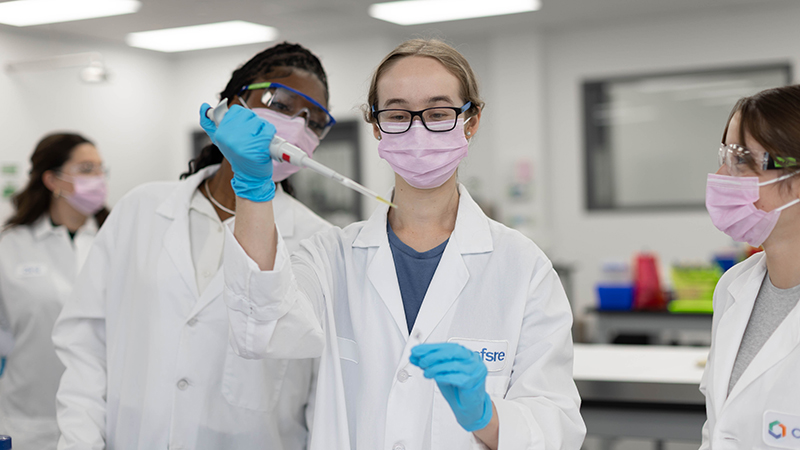
The forensic biology internship trains students to analyze evidence involving serological and nuclear DNA testing. Interns receive instruction in evidence examination, documentation, and analysis of biological materials. They independently work mock cases modeled on real-world scenarios such as homicides, sexual assaults, and burglaries, gaining exposure to workflows used in operational forensic laboratories. Students also learn advanced methodologies, participate in validation studies, and build professional development skills, including resume writing and interview preparationForensic Toxicology
The forensic toxicology internship offers immersive training across postmortem toxicology, human performance toxicology, and workplace drug testing.- Postmortem toxicology introduces students to cutting-edge analytical techniques used to detect and quantify drugs and chemicals in biological samples collected during autopsy.
- Human performance toxicology focuses on the interpretation of drug and alcohol effects in cases involving impaired driving, vehicular homicide, and drug-facilitated sexual assault.
- Workplace drug testing highlights federally regulated procedures used to ensure compliance in safety-sensitive industries.
Students gain experience with instrumentation, analytical workflows, interpretation of findings, and the role toxicology plays in medicolegal investigations.
FORENSIC CHEMISTRY
The forensic chemistry internship exposes students to the analysis of seized drug evidence, including pharmaceuticals and suspected controlled substances. Interns learn presumptive chemical testing and confirmatory instrumental techniques used to identify drugs, cutting agents, and adulterants. Training emphasizes analytical methods essential for qualitative and quantitative identification of compounds encountered in forensic drug chemistry laboratories.
Eligibility
Applicants must be enrolled in, or recently graduated (within 12 months), from an undergraduate or graduate program in a natural or forensic science discipline.A $3,000 bench fee applies to all accepted interns. Candidates selected for the next stage will be contacted via email for a video interview and must submit transcripts and a resume at that time.
Once accepted, students must submit a $1,500 deposit within three weeks to secure their placement. The remaining $1,500 balance is due by April 30, 2026.
General Information
The internship begins with two weeks of On-Demand virtual learning modules, which must be completed prior to the in-person portion. Interns must demonstrate proficiency in the content by passing an exam before beginning lab work.The four-week in-person laboratory internship requires approximately 30 hours per week. Academic credit may be available pending an agreement with the intern’s college or university.
All interns are required to follow CFSRE laboratory safety policies and workplace procedures. A background check will be conducted upon acceptance.
| Session 2 - Starting Date | June 22nd, 2026, In-Person - July 6th, 2026 |
| Session 2 - Completion Date | July 30th, 2026 |
Submit Your Application Here!